
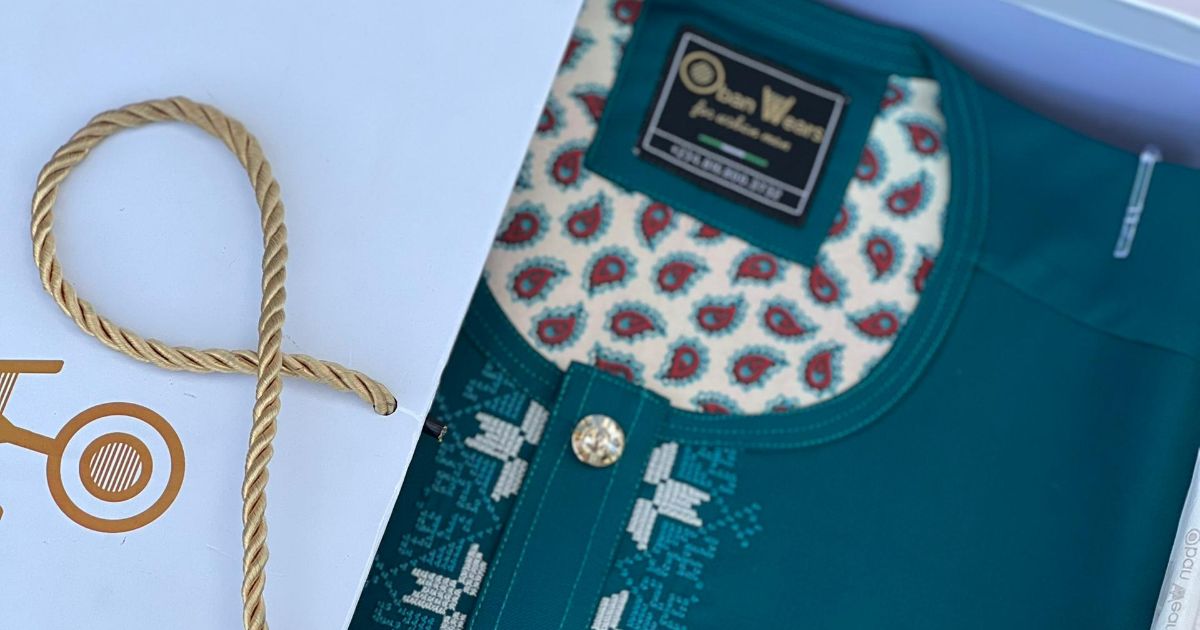
Every Nigerian man has a tailor story. The kaftan that came back too tight in the chest. The trousers that stopped above the ankle. The "come back on Friday" that turned into three Fridays and a missed wedding. If you have ever stood in front of a mirror wondering why your native wear does not look like the pictures, this guide is for you.
A bespoke kaftan is not just clothing cut to your size. It is a garment designed around your body, your posture, your profession and your personality. Done right, it makes you look taller, sharper and more confident than anything you can buy off a rack. Done wrong, it is an expensive disappointment. Here is how to make sure you only ever get the first one.
What "bespoke" should actually mean
In Lagos, the word bespoke is used loosely. Real bespoke tailoring has four non-negotiables:
- A proper consultation. Before a single cut, your tailor should ask where you will wear the kaftan, how you like it to sit and what you want it to say about you.
- Detailed measurements. Not three numbers scribbled on paper. Neck, shoulders, chest, stomach, sleeve, bicep, wrist, top length, waist, hip, thigh and trouser length at minimum, plus notes on your posture.
- A fit you can adjust. A serious workshop expects to perfect the fit and stands behind its work until it sits right.
- Finishing you can see. Straight seams, clean necklines, neat buttonholes, matched embroidery and an interior as tidy as the outside.
.jpg)
How to choose the right kaftan fabric for Lagos
Fabric decides how your kaftan breathes, drapes and ages. For Nigerian weather and Nigerian occasions, think like this:
- Everyday and office wear: breathable, lightweight fabrics with a soft structure that holds a clean line from morning to evening.
- Weddings, owambe and ceremonies: richer fabrics with sheen and texture that photograph beautifully and command attention.
- Outdoor and daytime events: lighter weaves and lighter colours that stay cool in the sun.
Not sure where to start? Our guide to choosing between linen, cashmere and cotton breaks it down in detail.
The fit checklist: test every kaftan before you pay
Put on the finished kaftan and run through this list. If it fails any point, it is not finished yet.
- The shoulder seam sits exactly at the edge of your shoulder, not hanging down your arm.
- You can lift your arms and sit down without the chest pulling or the buttons straining.
- The sleeve ends at your wrist bone so a watch can peek out.
- The top falls straight at the front and back, with no flaring or riding up.
- The trousers taper cleanly and just touch your shoe.
- The neckline lies flat with no gaps, puckers or twisting.
Fit is not a detail. Fit is the entire message.
Red flags: when to walk away from a tailor
- They take your measurements in under five minutes and never ask how you like your clothes to fit.
- They cannot show you finished work, real clients or a physical workshop.
- Every delivery date "shifts" and nobody updates you.
- The inside of their garments is full of loose threads and uneven seams.
- They copy a picture exactly instead of adapting it to your body.
The Oban Wears difference
We built Oban Wears because Nigerian men deserve better than tailor stories. For eight years we have been crafting premium bespoke kaftans for men who value style, confidence and quality, and we recently opened our own factory so every piece gets the time, attention and finishing it deserves.
Every kaftan starts with getting to know you. We take your measurements, understand your style and the occasions in your diary, then craft a kaftan that looks like nobody else's. Even when two clients choose the same design, each finished piece is cut for one body only. And it arrives the way a premium garment should: properly finished, carefully packed and ready to wear.
It is why executives, entrepreneurs, grooms and public office holders trust us with the moments that matter, from the boardroom to the wedding aisle. Read how the modern groom is styling the agbada in our wedding guide, or see how the corporate kaftan became the new power suit.
Stop settling for "almost fits". Get a kaftan made for you.
Book a bespoke consultation today. Visit our outlet opposite Technoil, Olowola Bus Stop, Igando, Lagos, or start on WhatsApp and we will guide you from measurements to delivery.
Frequently asked questions
What is the difference between a bespoke kaftan and a ready made kaftan?
A ready made kaftan is cut for an average body size. A bespoke kaftan is designed and cut from your own measurements, posture and style preferences, so it fits and flatters you in a way a standard size cannot.
Where can I get a bespoke kaftan in Lagos?
Oban Wears crafts bespoke kaftans for men from our outlet opposite Technoil, Olowola Bus Stop, Igando, Lagos. You can also start your order on WhatsApp at +234 816 800 3732.
What measurements are needed for a kaftan?
At minimum: neck, shoulders, chest, stomach, sleeve length, bicep, wrist, top length, waist, hip, thigh and trouser length. A good tailor will also note your posture and how you like the garment to sit.
What fabric is best for a kaftan in Nigerian weather?
Breathable, lightweight fabrics are best for everyday and office wear in Lagos heat. For weddings and ceremonies, richer fabrics with sheen and texture make a stronger statement. Your tailor should guide you based on the occasion.
Know a man with a tailor story? Share this guide with him.
← Back to journal